Point
Point
From 12-Week MVP to Acquisition: AI Health Insights from Wearable Data
TL;DR
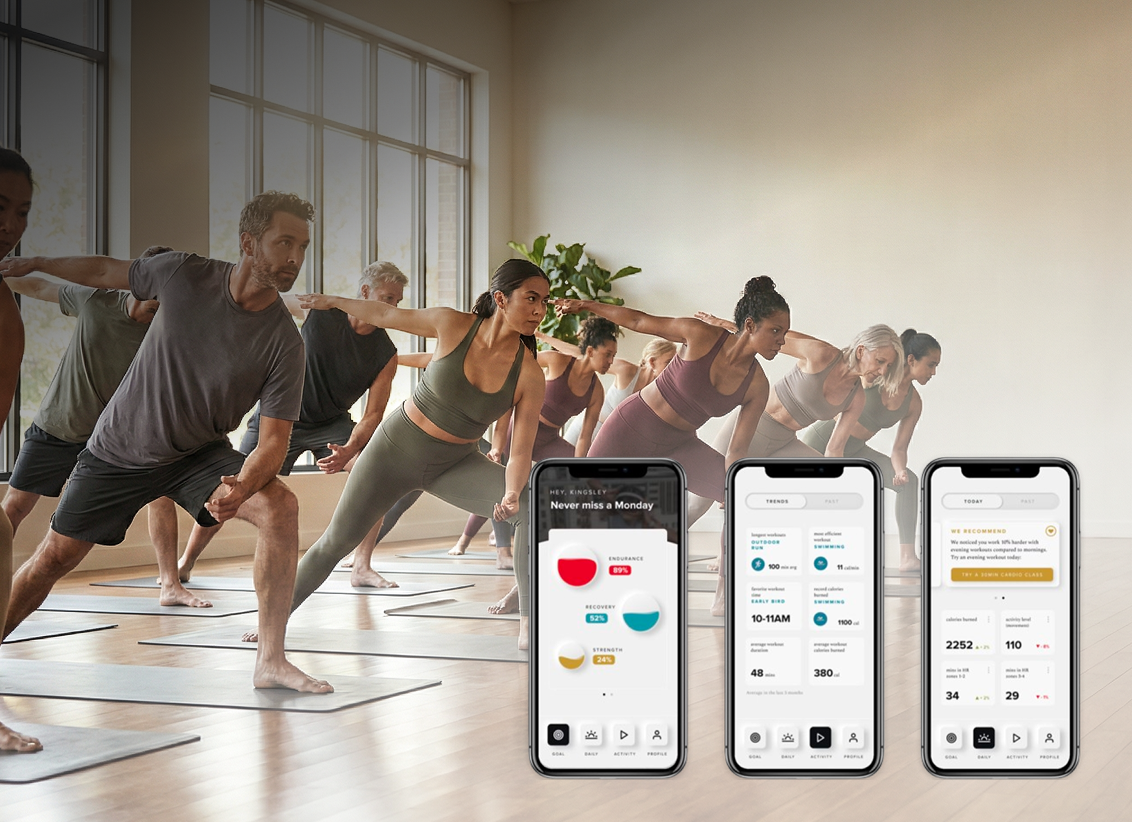
The solution is: Delivered a publicly available iOS app in 12 weeks, accelerating Point's development timeline by 3.5 months
Built a proprietary health scoring and recommendation engine combining expert rule-based logic with machine learning, developed alongside Point's medical advisors and exercise scientists
Served as Point's entire tech team, building out the full product and creating an SDK that helped the company secure follow-on funding and ultimately reach acquisition
The Challenge
Wearable devices generate enormous amounts of personal health data. The problem is that most people have no idea what to do with it. A smartwatch might track heart rate, sleep, steps, active calories, and workout recovery, but the raw numbers rarely translate into actionable guidance. Users are left with dashboards full of metrics and no clear path forward.
Point was founded on the belief that this data gap was solvable. Kingsley McGowan and Paige Sullivan, both deeply embedded in the fitness world, understood that what people needed was not more data but better interpretation of the data they already had. A unified system that could assess individual performance across strength, recovery, and endurance, and then recommend specific next steps.
The challenge was building this at speed. Point needed a working product to validate their thesis with real users, prove the concept to investors, and begin collecting the behavioral data required to make their recommendation engine smarter over time. They needed a technical partner who could move fast without cutting corners on the underlying science.
Point also had a technical hurdle to clear early on: building a recommendation system sophisticated enough to deliver genuine value required deep collaboration between engineers and exercise scientists. The rules and heuristics driving the system had to reflect real domain expertise, not just simple thresholds. And they needed to be encoded into software that could scale.
Key Results
Publicly available iOS app shipped in 12 weeks
Development timeline accelerated by 3.5 months
46% user retention rate, well above the 25-30% fitness app industry average
Strong conversion to paid subscriptions
SDK successfully built and licensed to third parties
SDK pivot helped secure follow-on funding
Company ultimately reached acquisition
Frequently Asked Questions
Published: · Last updated:
Ready to build something amazing?
Let's discuss how we can help transform your ideas into reality.